Mental Disorder
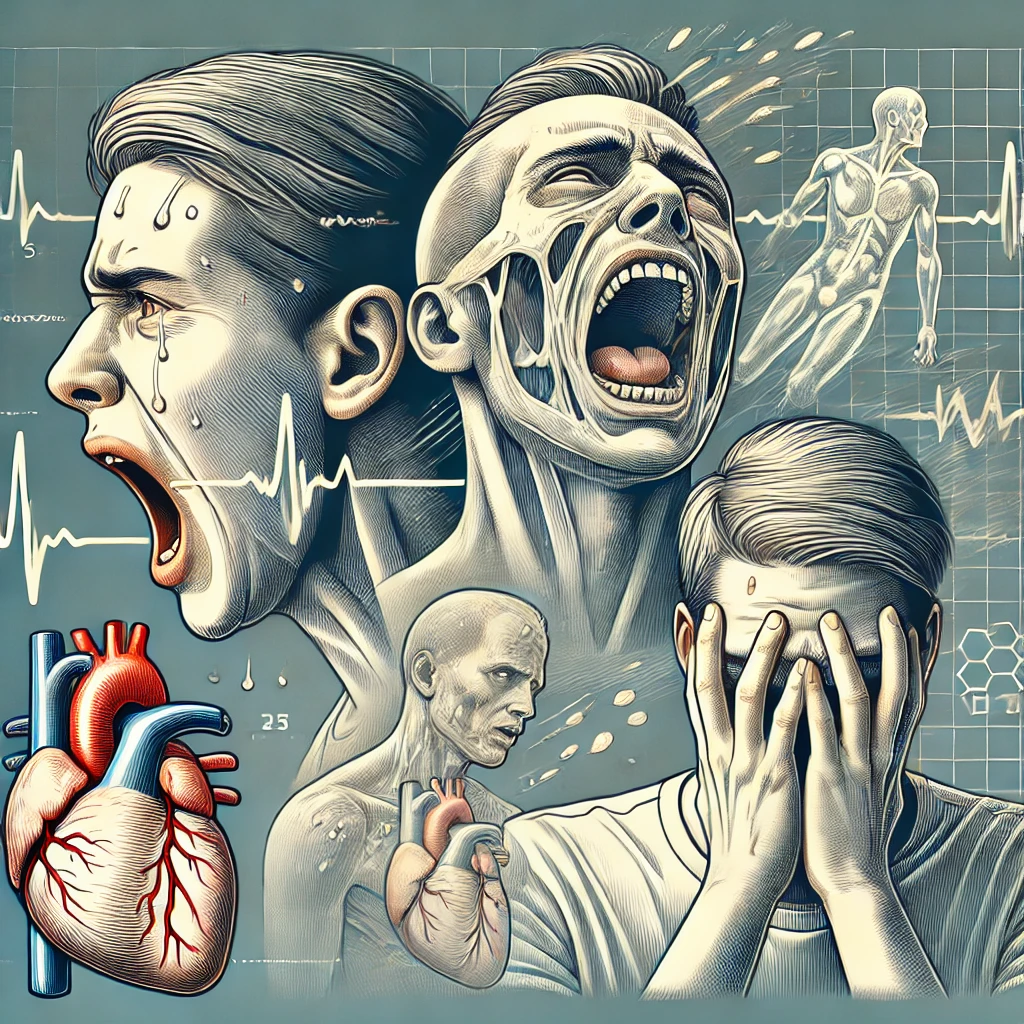
Anxiety
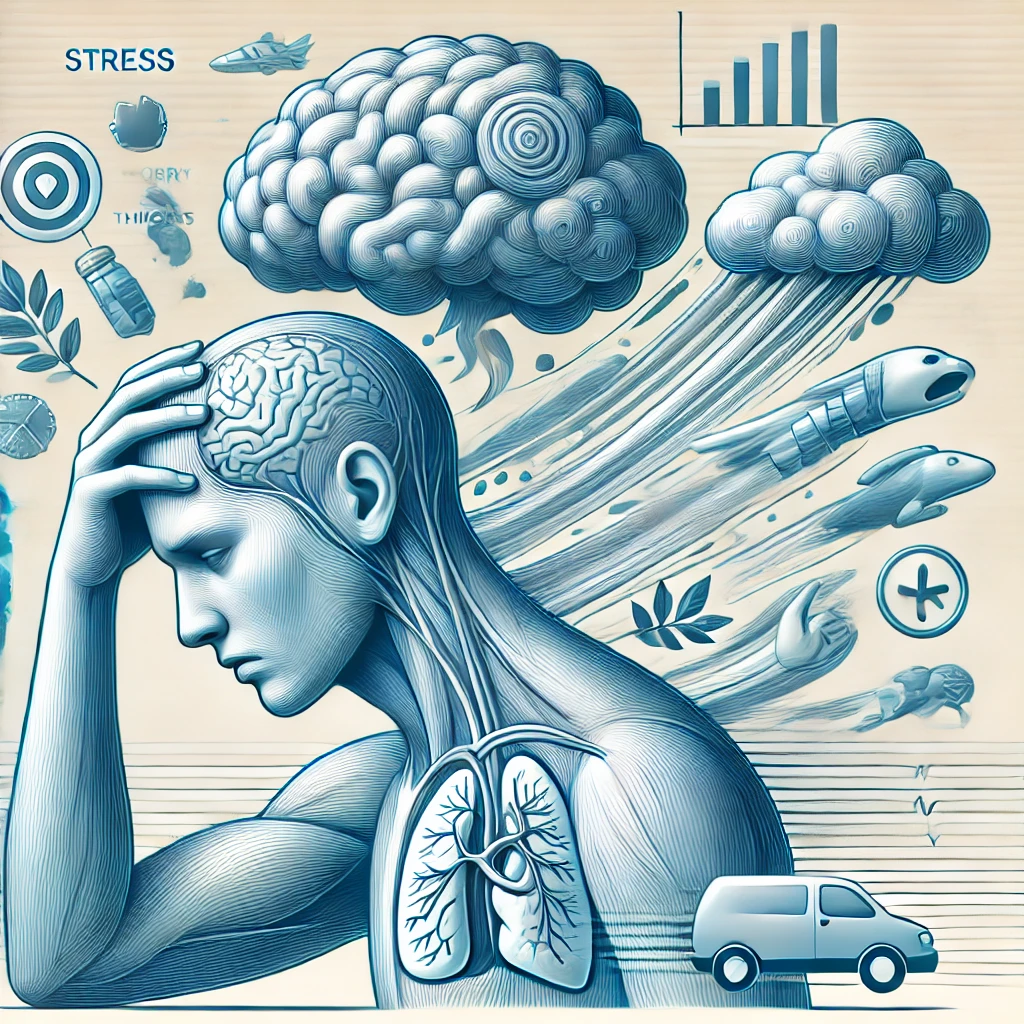
Anxiety is a natural response to stress, characterized by feelings of
worry, fear, or unease. It is a common emotional state that everyone experiences
at times, especially in situations perceived as threatening or challenging.
However, when anxiety becomes excessive, persistent, or disproportionate to the
situation, it can interfere with daily life and lead to an anxiety disorder.
Depression
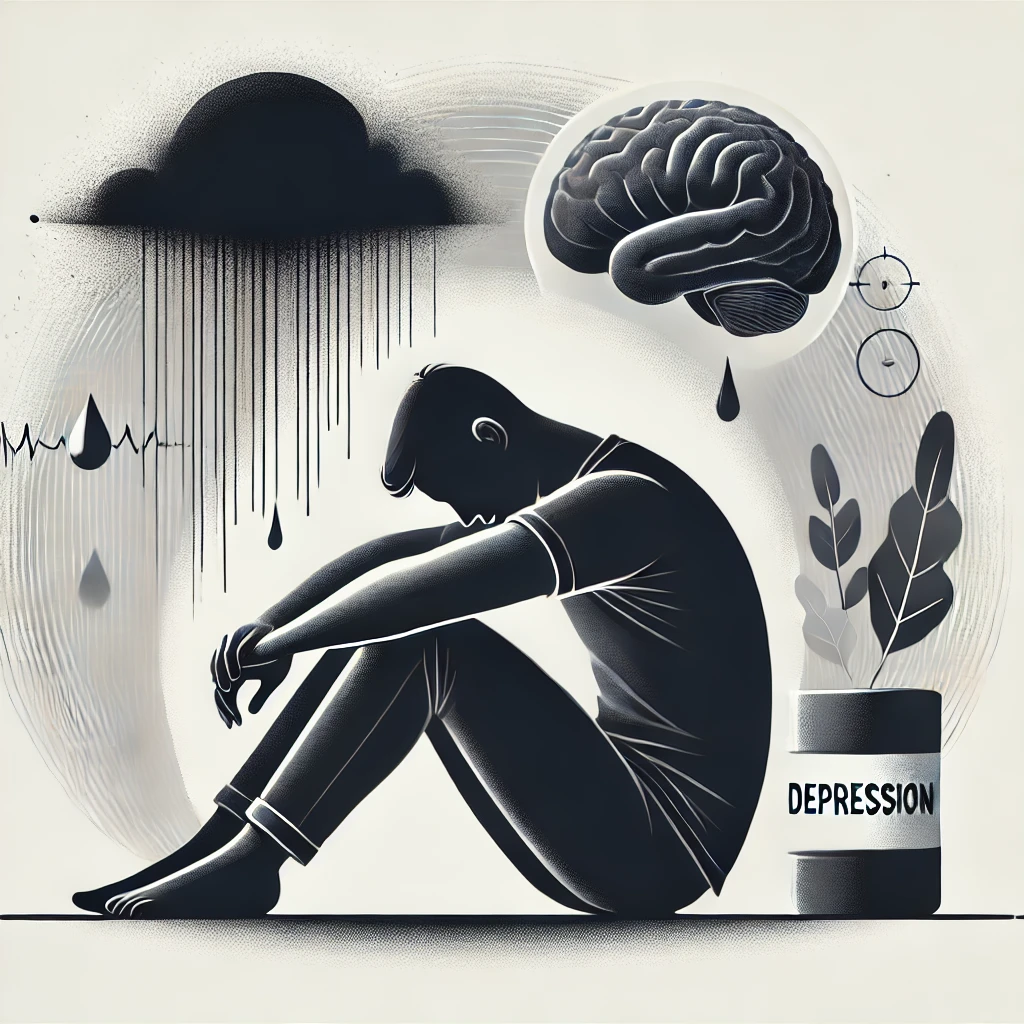
Depression, also known as major depressive disorder (MDD) or
clinical depression, is a common and serious mental health condition that affects
how a person feels, thinks, and behaves. It is characterized by persistent feelings
of sadness, hopelessness, and a loss of interest or pleasure in activities that were
once enjoyable. Depression can interfere with daily functioning and, in severe
cases, can lead to suicidal thoughts or actions.
Phobias
Phobias are an excessive and irrational fear of a specific object,
situation, or activity that leads to avoidance behaviors. Unlike general anxiety,
phobias are typically focused on a particular trigger, and the fear experienced is
often disproportionate to the actual danger posed by the object or situation. While
most people may have some level of discomfort or fear in certain situations, those
with phobias experience intense distress, which can interfere with their daily lives.
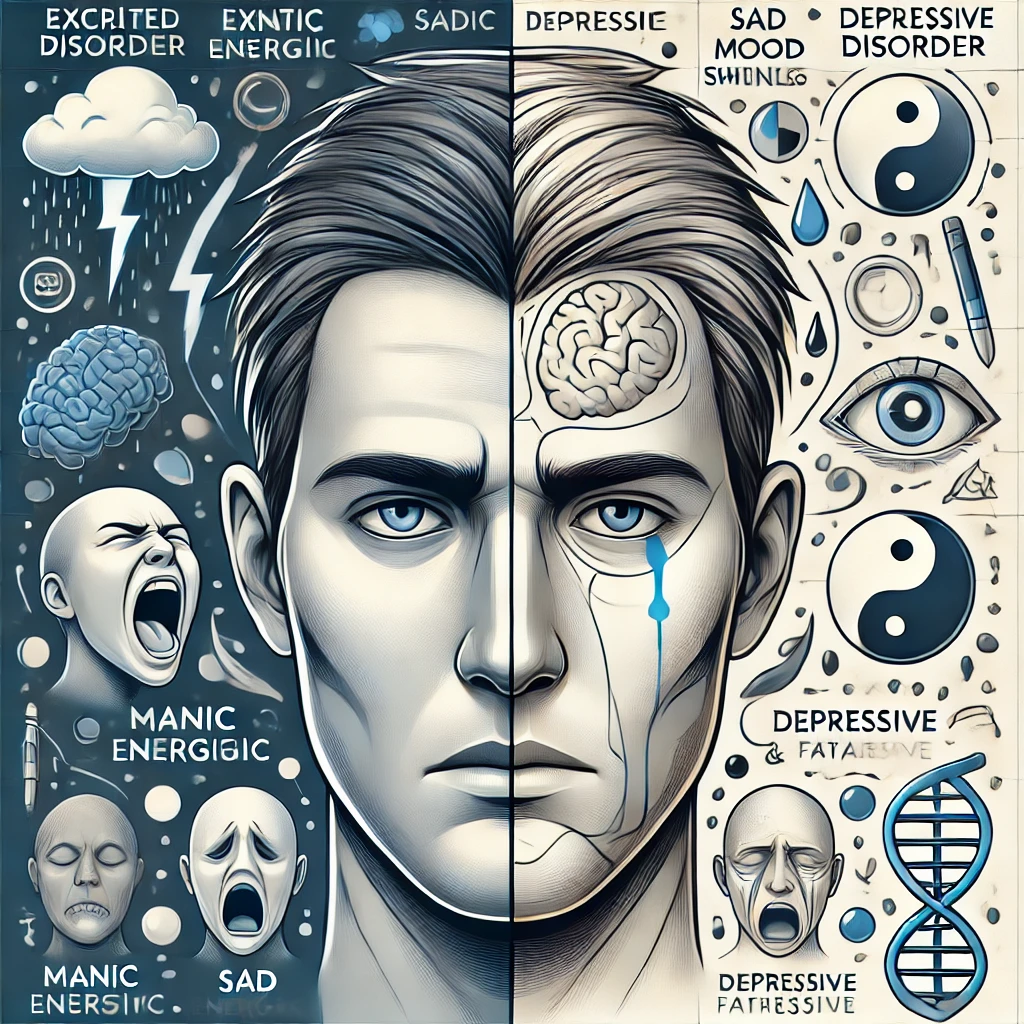
Bipolar disorder
Bipolar Disorder, formerly known as manic-depressive
illness, is a mental health condition characterised by extreme mood swings that
include emotional highs (mania or hypomania) and lows (depression). These
mood episodes can significantly affect a person’s energy levels, behaviour,
judgement, and ability to function in everyday life. While everyone experiences
mood changes, the intensity and duration of the mood shifts in bipolar disorder
are more severe.
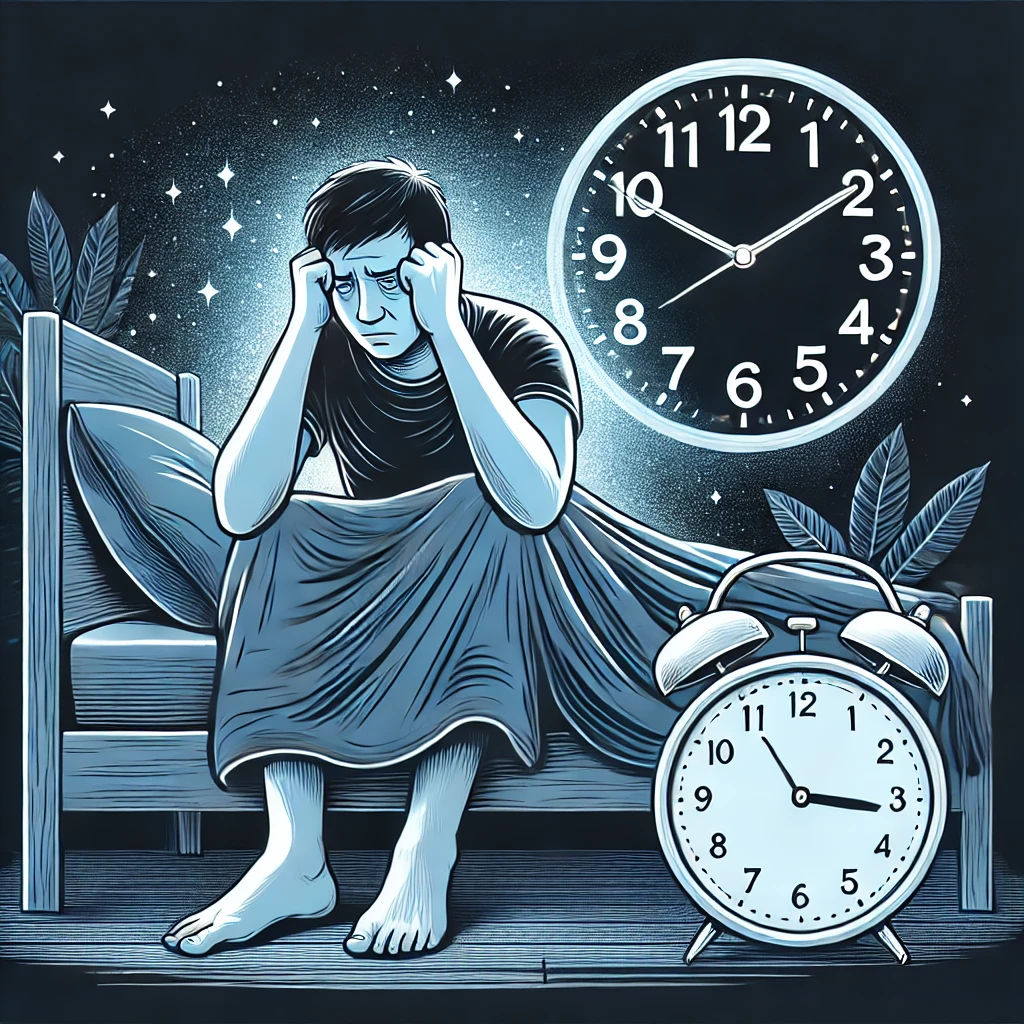
Insomnia
Insomnia is a common sleep disorder characterized by difficulty
falling asleep, staying asleep, or waking up too early and not being able to go
back to sleep. Individuals with insomnia often feel dissatisfied with their sleep and
may experience fatigue, low energy, difficulty concentrating, mood disturbances,
and a decreased quality of life as a result. Insomnia can be short-term (acute) or
long-term (chronic).
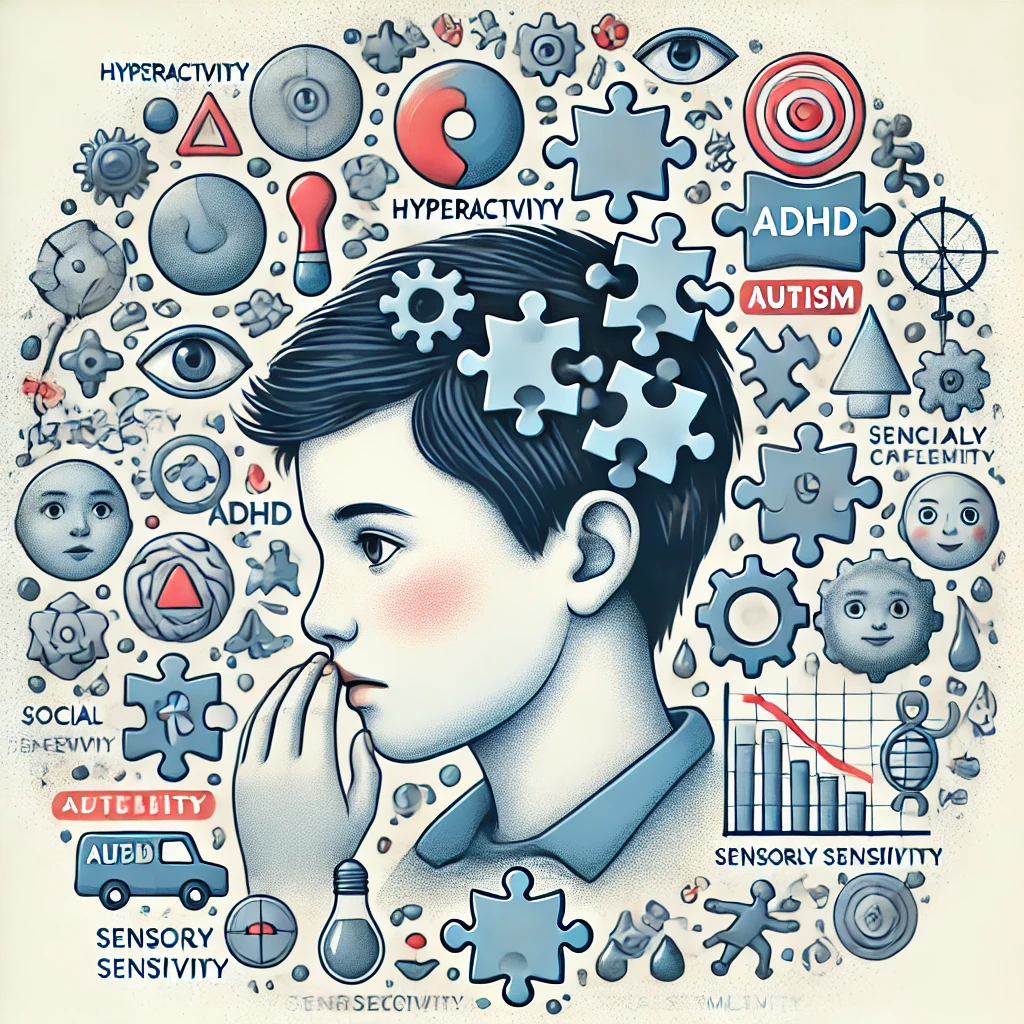
ADHD
Attention-Deficit/Hyperactivity Disorder (ADHD) is a
neurodevelopmental disorder that affects a person’s ability to focus, control
impulses, and regulate hyperactive behaviors. It commonly manifests in
childhood and often persists into adulthood. ADHD can impact daily functioning,
relationships, academic or professional performance, and overall quality of life.
Autism
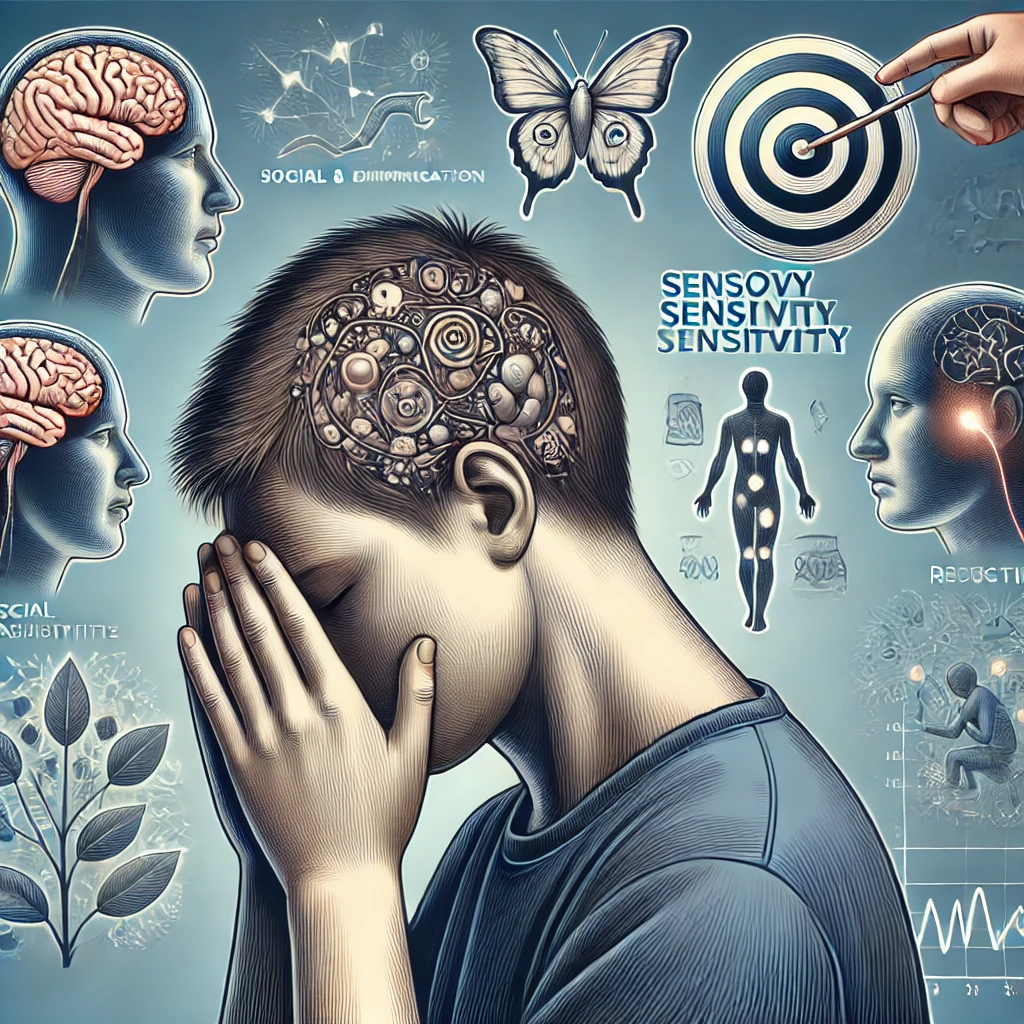
Autism, also known as Autism Spectrum Disorder (ASD), is a complex
neurodevelopmental disorder that affects how individuals communicate, interact,
and behave. Autism is characterized by a wide range of symptoms and abilities,
leading to the term “spectrum,” which acknowledges the diverse experiences and
challenges faced by individuals with the disorder.