Manage obesity, diabetes, hypertension, and digestive disorders naturally with personalized homeopathic care alongside lifestyle guidance.
Conditions We Treat
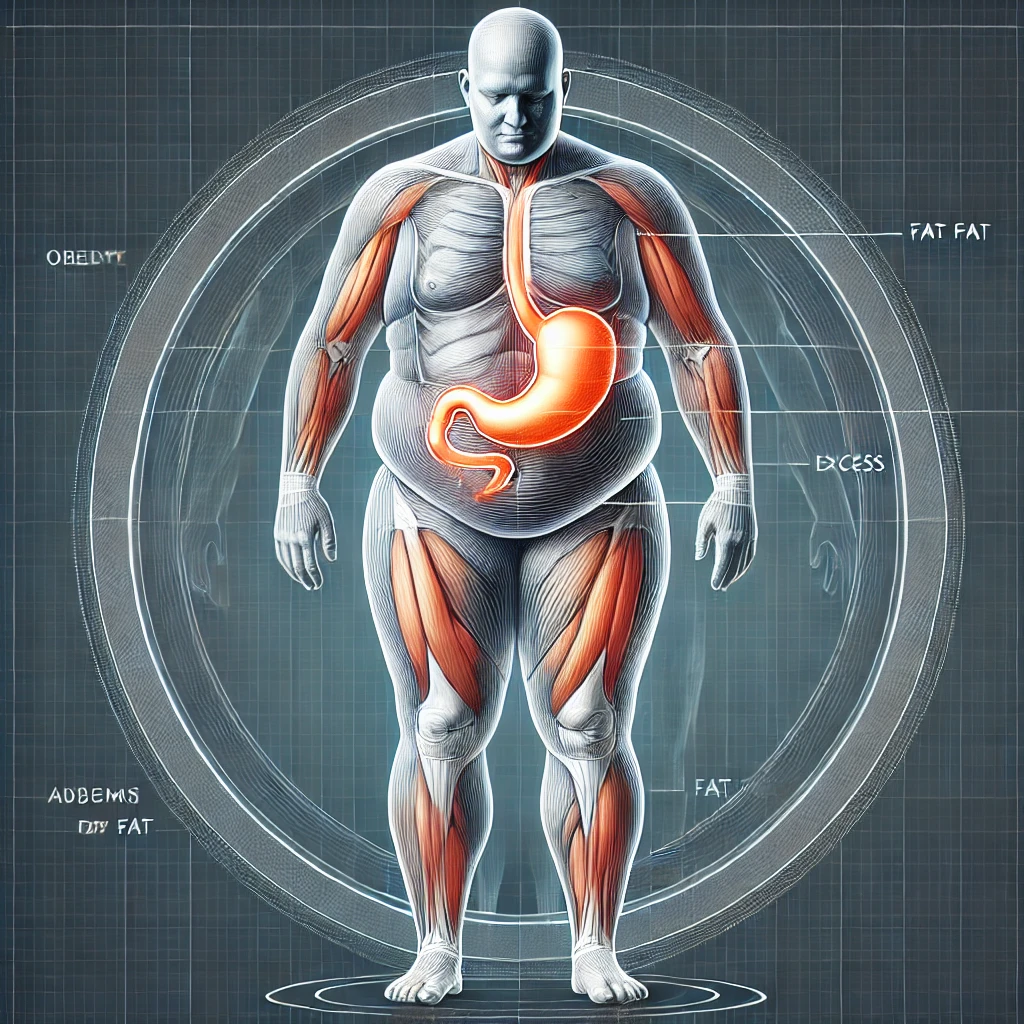
Obesity
Obesity is a medical condition characterised by excessive body fat accumulation that can negatively impact health. It is commonly measured using the Body Mass Index (BMI), where a BMI of 30 or higher indicates obesity. Obesity increases the risk of several serious health conditions, including heart disease, diabetes, and certain cancers, and is influenced by a combination of genetic, behavioural, environmental, and psychological factors.
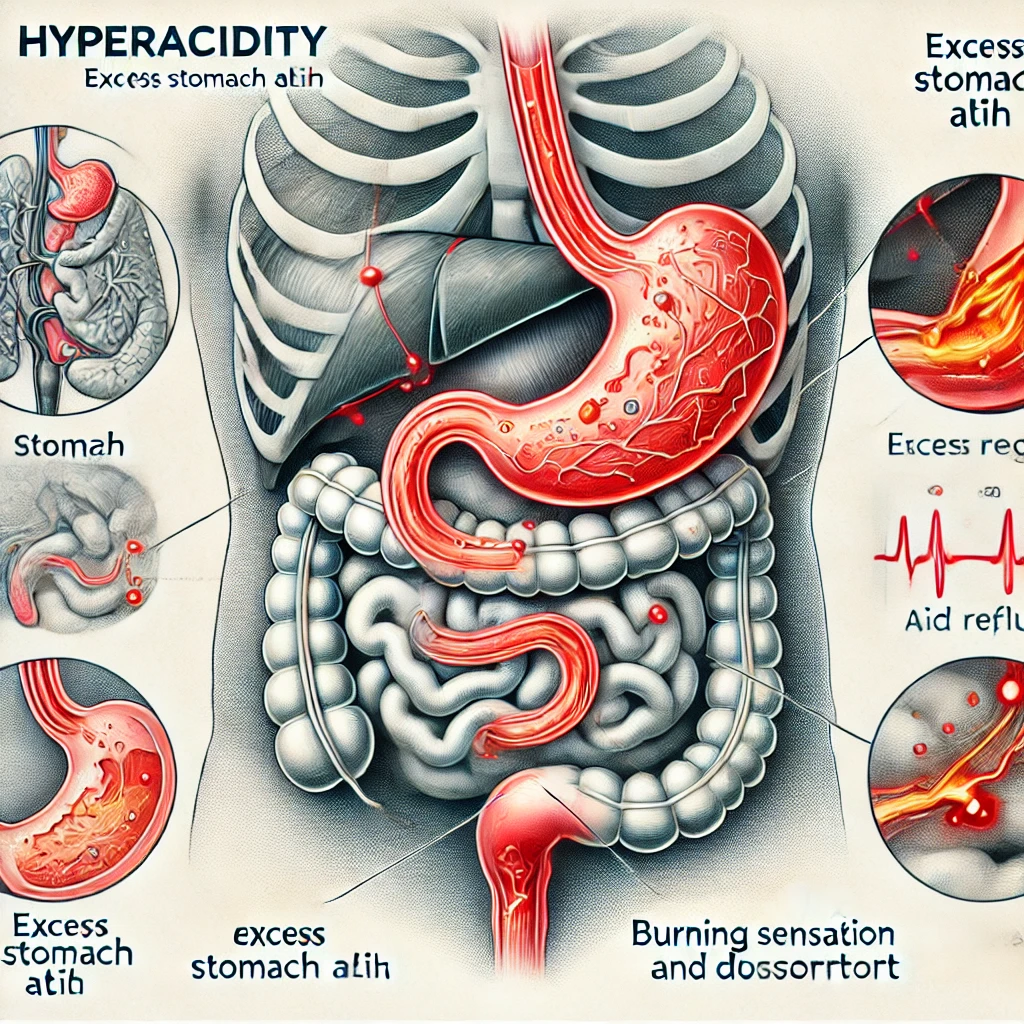
Hyperacidity
This condition can cause heartburn, indigestion, and other gastrointestinal symptoms. It is a common digestive issue that can be triggered by certain foods, lifestyle factors, or underlying medical conditions.
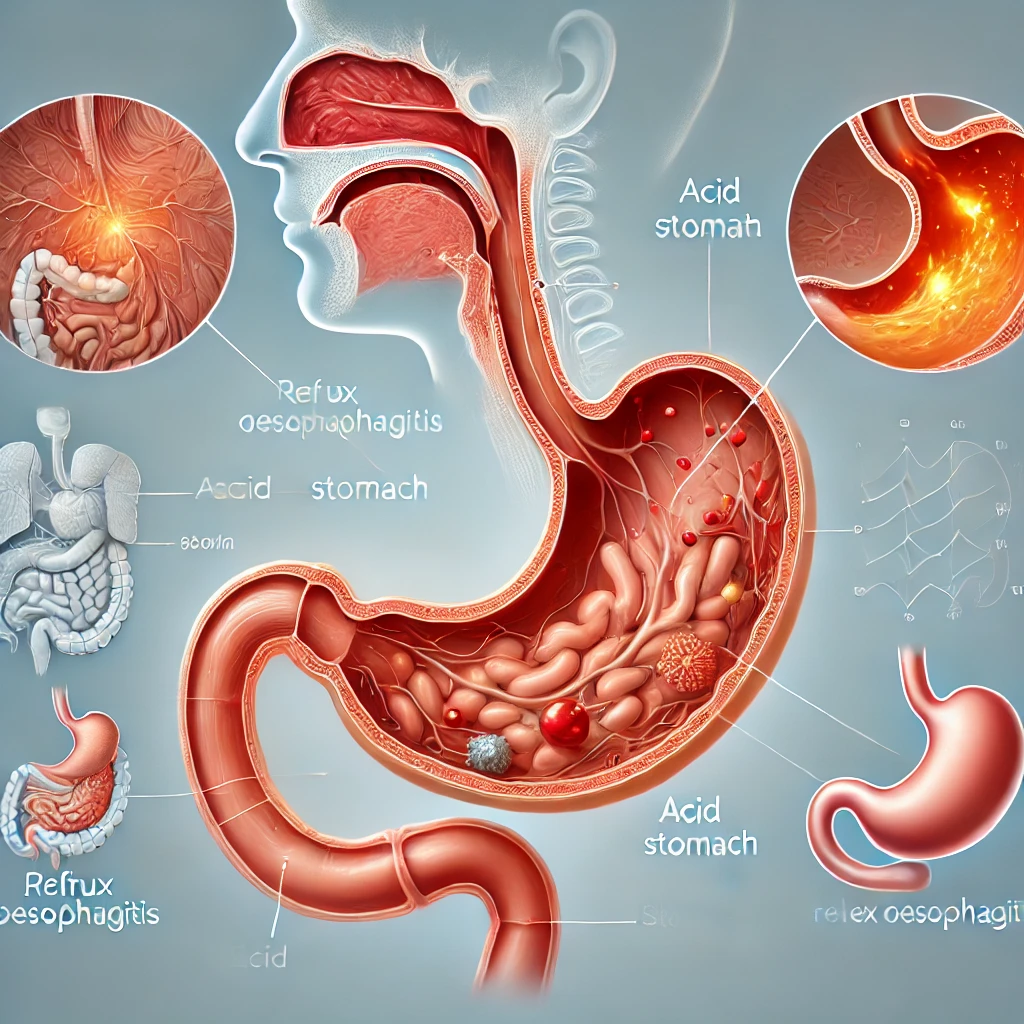
Reflux Oesophagitis
Reflux esophagitis, also known as erosive esophagitis, is a condition where the lining of the esophagus becomes inflamed or damaged due to the backflow of stomach acid, which is a result of gastroesophageal reflux disease (GERD). The esophagus, also known as the food pipe, is not equipped to handle the corrosive effects of stomach acid, which can lead to inflammation, ulcers, and even scarring if left untreated.
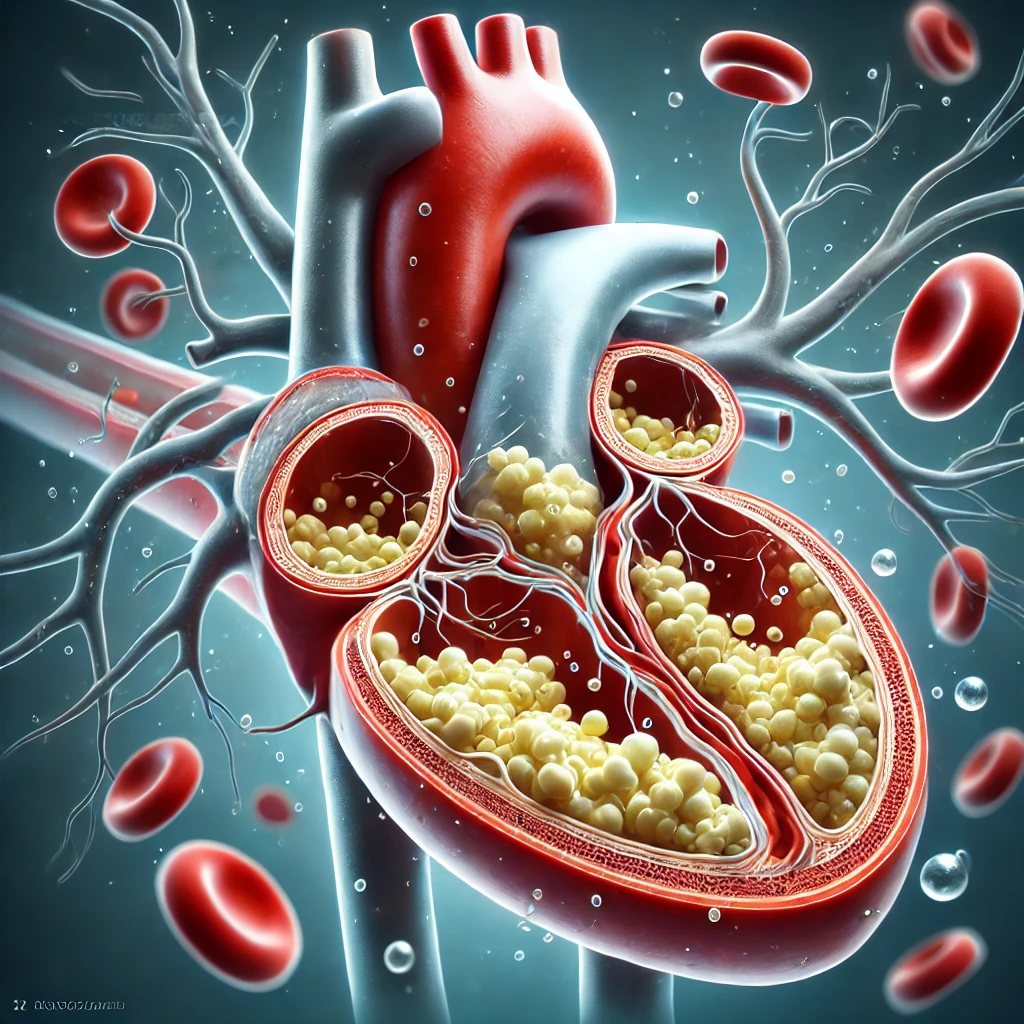
Hypercholesterolemia
Hypercholesterolemia is a medical condition characterised by high levels of cholesterol in the blood. Cholesterol is a fatty substance that is vital for building cells and producing hormones, but too much cholesterol in the bloodstream can lead to serious health problems, particularly cardiovascular disease. High cholesterol levels increase the risk of atherosclerosis, where cholesterol deposits (plaques) build up in the walls of arteries, narrowing them and reducing blood flow.
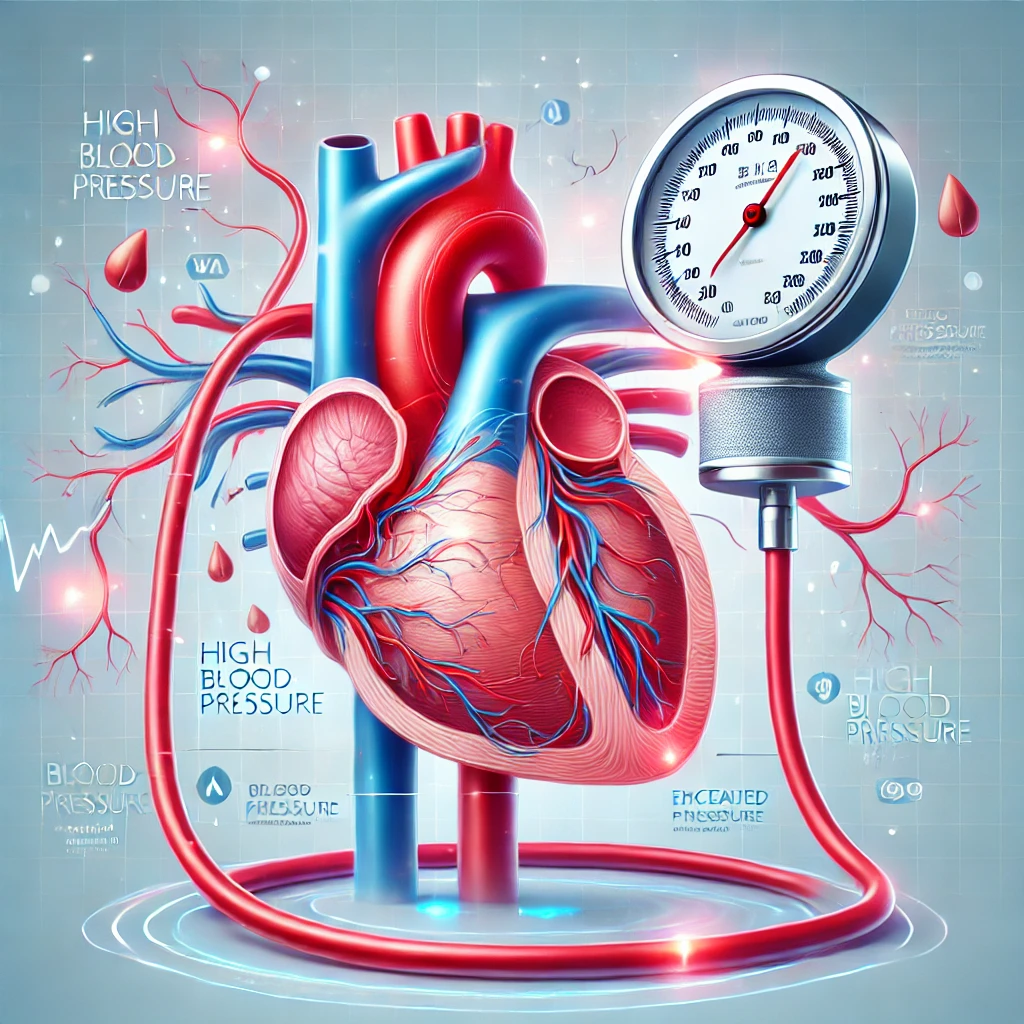
High Blood Pressure (Hypertension)
Hypertension, commonly known as high blood pressure, is a chronic medical condition where the force of blood against the walls of the arteries is consistently too high. It is a major risk factor for serious cardiovascular diseases, such as heart disease, stroke, and kidney disease. Often referred to as the “silent killer,” hypertension usually doesn’t cause noticeable symptoms, but can lead to life-threatening health issues over time if left untreated.
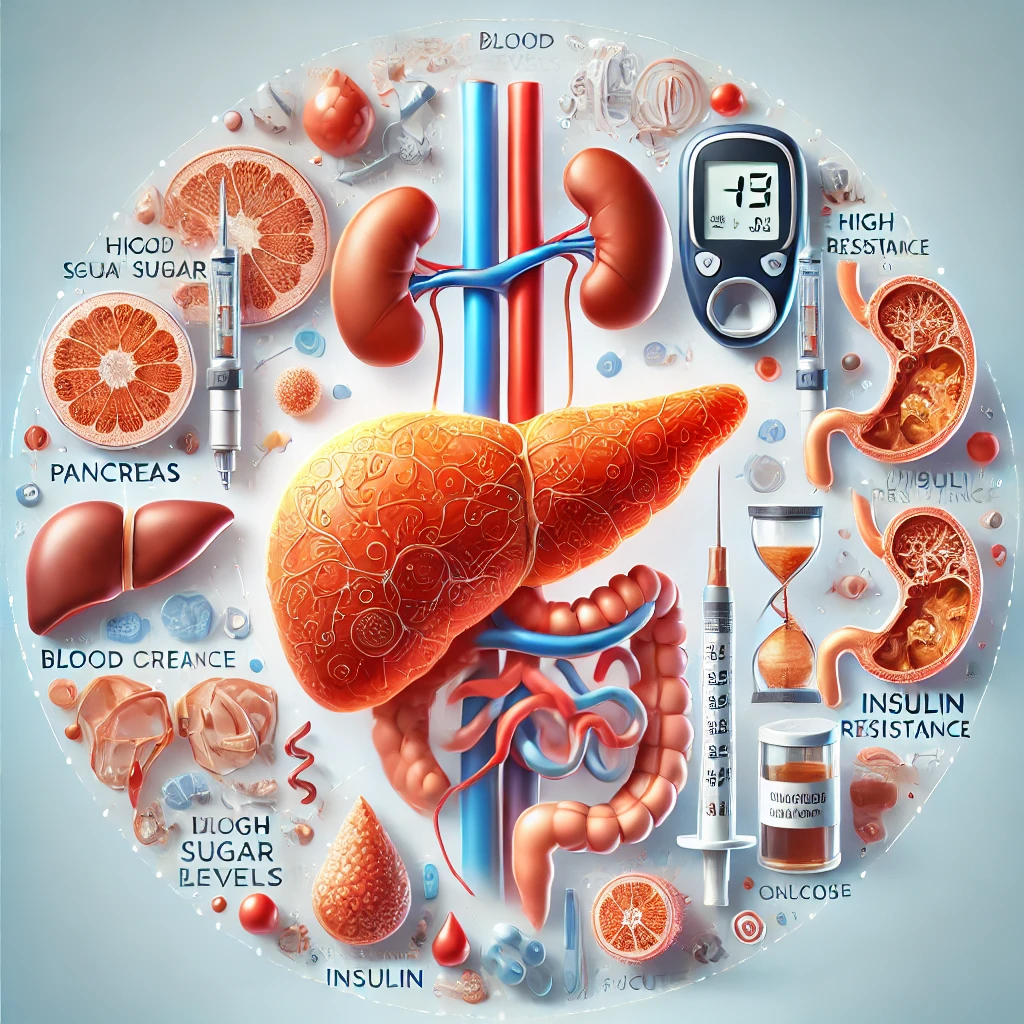
Diabetes Mellitus
Diabetes mellitus is a group of metabolic disorders characterised by high levels of blood glucose (blood sugar) over a prolonged period. It results from either the pancreas not producing enough insulin or the body’s inability to use insulin effectively. Insulin is a hormone that helps regulate blood sugar by allowing glucose to enter the cells to be used for energy. Without proper insulin function, glucose accumulates in the blood, leading to various health complications.
Our Approach
Manage obesity, diabetes, hypertension, and digestive disorders naturally with personalized homeopathic care alongside lifestyle guidance.
During your consultation, Dr. Jain will take a detailed case history to understand your symptoms, temperament, and overall health. Based on this holistic assessment, a customized homeopathic remedy is prescribed to stimulate your body's natural healing response.